

Table of Contents
Introduction Best way to clean patio furniture
Patio furniture is the heart of outdoor relaxation and entertainment, but exposure to the elements can leave it looking less than pristine. Keeping your patio furniture clean not only ensures a fresh look but also extends its lifespan. Let’s explore the best way to clean patio furniture based on materials and practical cleaning tips.
1. Understanding Your Furniture Material
Before diving into cleaning, identify the material of your furniture. Each type requires a different cleaning approach to maintain its durability and appearance.
- Wood: Teak, cedar, and eucalyptus are popular choices that need gentle care.
- Metal: Aluminum, wrought iron, and steel often come with protective coatings.
- Plastic or Resin: These are lightweight and easy to clean but can discolor over time.
- Fabric: Cushions and umbrellas add comfort but require regular maintenance to avoid mildew and stains.
2. General Supplies You’ll Need
Gather these basic cleaning tools to make the job efficient Best way to clean patio furniture:
- Soft-bristle brush or sponge
- Mild dish soap or specialized cleaners
- Garden hose with a spray nozzle
- White vinegar for natural cleaning
- Microfiber cloths
- Baking soda for tough stains
3. Cleaning Wooden Patio Furniture
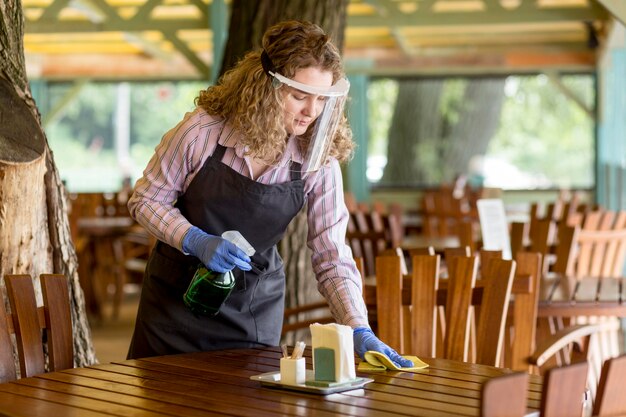
Wood is beautiful but can be sensitive to harsh cleaning methods Best way to clean patio furniture.
Steps:
- Dust First: Use a dry cloth to wipe away loose dirt.
- Mix a Cleaning Solution: Combine mild dish soap with warm water.
- Scrub Gently: Use a soft sponge or brush to scrub the wood, following the grain.
- Rinse Thoroughly: Use a garden hose to remove soap.
- Dry Completely: Wipe the surface with a microfiber cloth and air-dry in the shade.
Pro Tip:
Apply a wood sealant annually to protect against moisture and UV rays.
4. Metal Furniture Maintenance
Metal furniture is durable but susceptible to rust.
Steps:
- Remove Debris: Wipe down surfaces with a dry cloth.
- Wash with Soapy Water: Mix dish soap with water and scrub the surface.
- Focus on Rust Spots: Use fine-grit sandpaper on rust patches, then repaint with a rust-proof finish.
- Rinse and Dry: Spray off soap residue and dry with a cloth to avoid watermarks.
Pro Tip:
Store metal furniture indoors during the off-season to prevent rust.
5. Cleaning Plastic and Resin Furniture
Plastic and resin furniture is the easiest to clean but can lose its shine if neglected.
Steps:
- Rinse Off Dirt: Spray the furniture with a garden hose.
- Create a Baking Soda Paste: Mix baking soda and water for a gentle abrasive cleaner.
- Scrub Away Stains: Use a soft brush to apply the paste in circular motions.
- Rinse and Dry: Hose down the furniture and dry with a microfiber cloth.
Pro Tip:
Avoid abrasive pads that can scratch plastic surfaces.
6. Caring for Wicker Furniture
Wicker furniture, whether natural or synthetic, needs delicate handling.
Steps:
- Vacuum First: Remove dust using a vacuum with a brush attachment.
- Use a Mild Solution: Mix warm water and dish soap.
- Scrub with Care: Use a soft brush to clean between the weaves.
- Rinse Lightly: Wipe down with a damp cloth. Avoid soaking.
- Dry Thoroughly: Let it air-dry completely in a shaded area.
Pro Tip:
Natural wicker should be protected from prolonged sun exposure to prevent cracking.
7. Cleaning Fabric Cushions and Covers
Fabric components need attention to avoid mold and stains.
Steps:
- Brush Off Dust: Use a soft brush to remove surface dirt.
- Check Care Instructions: Refer to manufacturer guidelines for washing.
- Spot Clean Stains: Use a solution of dish soap and warm water on problem areas.
- Machine Wash Covers: If removable, wash them on a gentle cycle.
- Air-Dry Cushions: Avoid using a dryer to prevent shrinkage.
Pro Tip:
Use waterproof sprays to keep cushions resistant to moisture.
8. Umbrella Care for Outdoor Shade
Umbrellas protect you from the sun but can become grimy over time.
Steps:
- Dust Off: Use a handheld vacuum to remove dust.
- Soapy Wash: Mix warm water with dish soap and use a sponge to clean the fabric.
- Rinse Gently: Spray with a garden hose.
- Dry Fully: Open the umbrella and let it air-dry in the sun.
Pro Tip:
Store umbrellas in a closed position when not in use to extend their lifespan.
9. Maintaining Glass Tabletops
Glass adds elegance but shows dirt and smudges easily.
Steps:
- Wipe with a Microfiber Cloth: Remove loose dirt.
- Apply Glass Cleaner: Spray a commercial cleaner or vinegar solution.
- Buff for Shine: Use a lint-free cloth to achieve a streak-free finish.
Pro Tip:
Avoid ammonia-based cleaners, as they can damage tempered glass.
10. Preventive Maintenance
Keeping your patio furniture clean is easier with regular maintenance:
- Use Covers: Protect your furniture when not in use.
- Store Indoors: During extreme weather, move furniture into a garage or shed.
- Clean Regularly: Set a cleaning schedule to prevent buildup.
Conclusion
With these expert tips, the best way to clean patio furniture is now at your fingertips. Regular cleaning and proper maintenance can make your outdoor space inviting year-round. Whether it’s wood, metal, plastic, or fabric, following the right cleaning methods will ensure your patio furniture stays in pristine condition for years to come.
FAQs
1. How often should I clean patio furniture?
It’s best to clean your patio furniture every 1-2 months, depending on usage and exposure to dirt.
2. Can I use pressure washers on all furniture types?
No, pressure washers can damage wood and wicker. They are suitable for metal and some plastics.
3. What’s the easiest way to prevent rust on metal furniture?
Apply a rust-proof coating and store the furniture indoors during wet seasons.
4. How do I clean stubborn stains on cushions?
Use a mixture of baking soda and water to spot-clean stains gently.
5. Are there eco-friendly cleaners for patio furniture?
Yes, white vinegar and baking soda are excellent natural alternatives.
4o
O