

Table of Contents
Introduction for Mold Removal from Walls Guide
Mold on walls is not just an eyesore; it can also pose serious health risks and damage the integrity of your home. Whether it’s a small patch or a widespread issue, addressing it promptly is essential. In this guide, we’ll cover Mold Removal from Walls Guide effectively and ensure it doesn’t come back.
1. What Causes Mold on Walls?
Excess Moisture
Mold Removal from Walls Guide thrives in damp conditions. Leaky pipes, high humidity, or poor ventilation can create an ideal environment.
Condensation
Temperature differences, especially in poorly insulated homes, can lead to condensation that fosters mold growth.
Flooding or Water Damage
Flooded areas that aren’t dried properly are breeding grounds for mold.
2. Why Mold Removal is Important
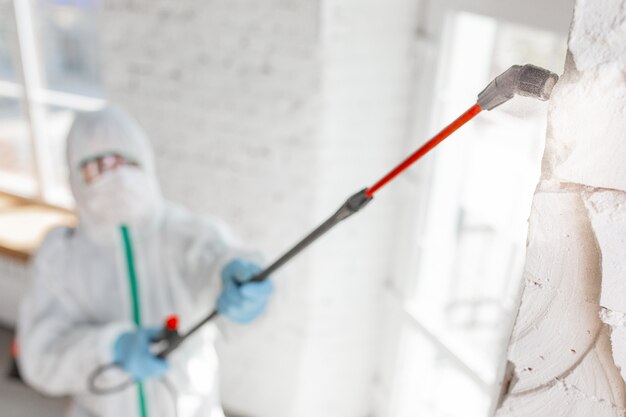
Health Hazards
Mold Removal from Walls Guide can cause allergies, respiratory issues, and other health problems, particularly for those with asthma or compromised immune systems.
Structural Damage
If left untreated, mold can weaken walls, ceilings, and other parts of your home.
3. Gather Your Supplies
Before you begin, make sure you have the following tools and materials:
- Gloves
- Protective goggles
- Mask (preferably an N95 respirator)
- Bucket
- Sponge or scrub brush
- Mild detergent or mold remover
- Vinegar and baking soda (for a natural approach)
- Plastic sheeting (to contain the mold spores)
- Trash bags
- Paint with mold-resistant additives (optional for prevention)
4. Safety Precautions Before Starting
Wear Protective Gear
Mold Removal from Walls Guide spores can be harmful when inhaled. Gloves, goggles, and masks are a must.
Ventilate the Area
Open windows or use fans to ensure proper airflow during the cleaning process.
Isolate the Area
Use plastic sheeting to cover doors or vents, preventing the spread of mold spores to other parts of the house.
5. Assess the Extent of Mold Damage
Small Patches
For minor mold spots, DIY cleaning methods work well.
Extensive Mold Growth
If the mold covers more than 10 square feet or has penetrated deeply, consider calling a professional mold remediation service.
6. How to Remove Mold from Walls
Step 1: Prep the Surface
- Remove any furniture or items near the affected wall.
- Use a dry cloth or vacuum (with a HEPA filter) to remove loose mold spores.
Step 2: Apply a Cleaning Solution
Choose one of the following solutions:
- Commercial Mold Remover: Follow the product instructions for the best results.
- Vinegar: Spray undiluted vinegar onto the moldy area and let it sit for an hour.
- Bleach Solution: Mix one part bleach with three parts water. Be cautious as bleach can discolor walls.
Step 3: Scrub the Mold Away
Using a scrub brush or sponge, scrub the area thoroughly to remove all visible mold.
Step 4: Rinse and Dry
Rinse the wall with clean water and wipe it down with a dry cloth. Use fans or dehumidifiers to dry the area completely.
7. How to Remove Mold from Painted Walls
Painted walls require a gentler approach:
- Use a soft sponge to avoid damaging the paint.
- Avoid overly harsh chemicals that can strip the paint.
8. How to Mold Removal from Walls from Drywall
Important Note
Drywall is porous, so mold can penetrate deeply. For extensive mold, replacing the drywall might be the best option.
For small areas:
- Use vinegar or a mild detergent to clean the surface.
- Avoid saturating the drywall to prevent further damage.
9. Preventing Mold Growth
Fix Leaks Promptly
Inspect and repair any leaky pipes or roofs to cut off moisture sources.
Improve Ventilation
Use exhaust fans in bathrooms and kitchens. Open windows regularly to circulate fresh air.
Use a Dehumidifier
Maintain indoor humidity levels between 30-50% to prevent mold.
Apply Mold-Resistant Paint
Adding a mold-resistant primer or paint to your walls provides an extra layer of protection.
10. Natural Mold Removal Methods
For those who prefer eco-friendly cleaning:
- Vinegar and Baking Soda: Spray vinegar on the mold, let it sit, then scrub with a paste made of baking soda and water.
- Tea Tree Oil Solution: Mix one teaspoon of tea tree oil with one cup of water, spray on the mold, and wipe clean.
11. When to Call a Professional
If you notice black mold (Stachybotrys chartarum) or suspect the mold has spread behind walls or into insulation, seek professional help.
12. Frequently Asked Questions About Mold Removal
1. Can I paint over mold?
No. Painting over mold without removing it first will only mask the problem temporarily and may worsen the issue over time.
2. How do I know if the mold is gone?
The area should be free of visible mold, and there should be no musty odor.
3. Is mold removal covered by insurance?
Home insurance policies vary. Mold caused by a sudden issue (like a burst pipe) might be covered, but gradual mold growth is typically not.
4. How long does it take to remove mold?
For small areas, mold removal can take a few hours. Larger infestations may take several days or require professional intervention.
5. Can mold grow back after cleaning?
Yes, if the underlying moisture issue isn’t resolved, mold can return.
Conclusion
Mold removal doesn’t have to be overwhelming. By following these simple steps and understanding how to remove mold from walls, you can create a healthier, cleaner living environment. Regular maintenance and proper preventive measures ensure mold stays away for good. Take action today to protect your home and family!